The first signs that you’re hitting perimenopause can feel overwhelming. A hot flush here and there, a late period, hormones going crazy! And what’s even more worrying is that this can last for years and years. The actual menopause is only one day of our lives, exactly 12 months from the last date of our last period, and that can be a long way off.
But even though this is a very strange new chapter to face there are things we can do to help lessen the blow.
We know exercising is good for our general health, but it can also massively help reduce the symptoms we can suffer when we hit our 40s. And don’t just take it from me, it’s backed by science. In fact, studies have proven that symptoms including night sweats, hot flushes, migraines, headaches and brain fog can be significantly reduced through exercise. Plus those horrific mood swings can really feel the benefit from the added serotonin you’ll produce.
However, one thing to keep in mind is that as we age and our body changes, we need to recover and stretch. Sadly the body we had in our 20s has aged and we need to look after it. Plus muscle mass is on a natural decline from our 30s and oestrogen levels will start dropping as soon as we hit perimenopause. This means that our energy levels are reduced and all over body strength is weakened which can cause osteoporosis in the long term. I know, sorry!
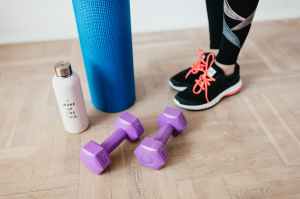
But all is not lost. One thing we all should be doing during this stage in our lives is hitting the weights. They’re so easy to add into a workout, and can really make a difference. You can buy a decent set of home weights from Amazon and follow online routines that’ll show you how to use them, how to build up the weights and how often to incorporate them into your routine. Fitness expert Rachel Holmes offers some great home workouts on her YouTube channel. Adding weights to a workout will not only build muscle but also improve joint health, so musculoskeletal issues should be significantly reduced as you get older. Hurrah!
Another workout must is cardio. Love it or hate it, this will really help you over the next few years of your life. Just a brisk walk three times a week for 30 minutes, a light jog, or if you’re really fit then classes and runs and all that good stuff. Oestrogen protects the heart when we’re younger, so as those levels drop our hearts become more susceptible to heart disease. That’s why cardio is really important to keep that heart healthy and pumping as it should. Also, the endorphins from all that exercise will clear brain fog, improve our moods and help us sleep at night. Goodbye, insomnia!
One home workout app I think is fab is The Bodycoach. Joe Wicks is a pro at getting the nation moving and has some really great cardio routines that start at beginner level and work their way up. Plus they’re super easy to do in the living room, so there are no excuses!
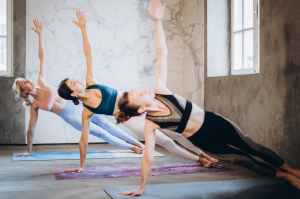
Another must that you can do from home is yoga. One clever woman who is really championing exercise during perimenopause and after is yoga expert Cheryl MacDonald. She really advocates trying yoga as a form of helping with symptoms, especially certain postures that are designed to hit your pressure points in a way that changes the hormone production in our bodies. She has breathing methods for hot flushes, and routines for joint pain and also incorporates weights into certain parts of her classes to increase muscle.
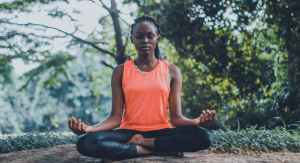
Cheryl urges anyone looking to try yoga to make sure that the instructor is qualified in menopause yoga, as that’ll make all the difference to your results. She also told me something I’d never considered before and that is to put your body first and consider where it is in its cycle. If, for example, you’re due on your period or on your period, your energy levels are depleted and just simple stretches and restorative exercises are needed. Then when you’re in ovulation, your energy levels are up so it’s time to hit the workout mats and classes. Revolutionary right? She has written a book all about it, which you can find here.
 The Joy